“We’re a Bunch of Old White Guys”: Building a Board That Reflects the Community You Serve
Oct 22, 2026
Non-profits can have a strong mission, a dedicated team, and years of community service behind them, yet still struggle to reach the people who could become their most meaningful supporters. Often, the challenge begins with who has a seat at the table and whether the organization has built the relationships needed to earn trust beyond its traditional networks.
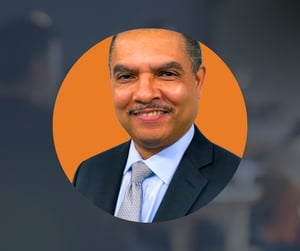
In this episode of Real Talk for Real Fundraisers, Jeff Schreifels and Christopher Beck sit down with non-profit leader Harold Witherspoon to discuss how board composition, cultural trust, and long-term relationships shape an organization’s ability to fundraise and serve its community. Drawing on more than 30 years in the non-profit sector, Harold shares why organizations need to look beyond familiar networks and build genuine connections with the communities they hope to reach.
Harold starts with the board, arguing that its strength depends in part on how well it represents the broader community. When decision-makers share similar backgrounds and perspectives, organizations can become comfortable with the way things have always been done, missing opportunities to connect with new audiences. He explains why building relationships is a long game, comparing it to dating: trust takes time, and meaningful partnerships grow through getting to know one another rather than rushing toward an outcome.
From there, Jeff, Christopher, and Harold explore the value of relationship capital, the difference between serving a community and inviting its members to become stakeholders, and the importance of sustained engagement in building trust. Harold also shares his approach to recruiting and onboarding board members, developing existing staff into fundraising roles, and balancing a compelling mission with the sound business practices non-profits need to succeed.
Show Highlights: In this episode, you’ll learn about…
-
Why board composition matters and how a lack of diverse perspectives can limit an organization’s fundraising and community outreach.
-
Why serving a community is different from inviting its members to become invested stakeholders in your mission.
-
How to recruit and onboard board members who reflect the community, while developing staff from within to strengthen your fundraising team.
-
Why long-term non-profit success requires both a meaningful mission and strong business practices.
Veritus Group is passionate about partnering with you and your organization throughout your fundraising journey. We believe that the key to transformative fundraising is a disciplined system and structure, trusted accountability, persistence, and a bit of fun. We specialize in mid-level fundraising, major gifts, and planned giving, helping our clients to develop compelling donor offers and to focus on strategic leadership and organizational development. You can learn more about how we can partner with you at www.VeritusGroup.com.
Additional Resources:
-
Read the Full Transcript of This Podcast Episode Here:
Jeff Schreifels
Welcome to the show. I have Christopher Beck with me today as my co-host for this episode. Chris, why don't you talk about how we actually met?
Christopher Beck
Glad to do it, Jeff. Glad to do it. Jeff and I met probably at the height. We not probably we met at the height of COVID and the unrest. And like everything, everybody's world was kind of all over the place. And and Jeff came to me and was curious, asking questions, sad, all the things like everybody else. And at the time he said, Man, I want to do something, but I don't kind of like I got these ideals, but what? So we kind of just went back and forth for a while and and we just became friends over the years, and I really appreciate him who he is.
who he is as person, his company, and kind of what he's doing to help everybody and make the world a better place. And so we about a year or so ago maybe we he came up with this idea and said, hey, like what if we should start talking about real issues and and doing it from a place of just kind of being concerned, talking about what could be if people thought differently. And long
Jeff Schreifels
Yeah.
Christopher Beck
story short, guys, here we go. Real talk, real fundraisers.
Jeff Schreifels
Yeah. And you know, Chris, what I have to say is what I appreciate about you is your openness to have these real conversations and to trust me that we can talk about anything. And I've really appreciated that. I've learned a lot from you, and it's been a great partnership, and I'm excited about today because
You know, the single most persistent equity barrier in nonprofit fundraising is homogeneity and decision-making power. Practically within boards and in senior development leadership, and too often individuals setting fundraising strategy, approving campaign themes, and defining what successful philanthropy looks like comes from a narrow cultural and socioeconomic background.
To discuss this with us today is Harold Witherspoon. Harold has over 30 years of experience in the nonprofit sector. This includes 21 years with the Boy Scouts of America and various leadership roles. And in 2016, he began his role as ED of Development for the Salvation Army Nashville Area Command. Then in February of 2025, Harold was promoted to the Executive Director of Operations. So basically,
He's responsible for everything. So
Christopher Beck
Yeah, here, yes.
Jeff Schreifels
let's bring him in. And welcome, Harold. Thank you for being with us.
Harold Witherspoon
Thank you so much. This is an honor and a wonderful opportunity to talk with you gentlemen this morning. Been looking forward to this.
Jeff Schreifels
We're so glad you're with us. Now, Chris, I want to give you this opportunity because I know Harold is very special to you. So why don't you tell us about that relationship?
Christopher Beck
Yeah, man. So I'm gonna try not to tear up on this one. But listen, Harold, outside of my faith in my family, Harold gave me my chance in in the charity space. When and I'll be honest, real talk, real fundraisers, when nobody else would give me a chance. Harold gave me a chance. He took a chance on a person that was coming out of the field of of teaching and the fitness industry into this crazy world of nonprofit. And I remember so many of the lessons that he taught me to this day. the but the first thing he
taught me was like relationship capital is the word that he used. I'll never forget that. And so that has
Jeff Schreifels
Yeah.
Christopher Beck
always stuck with me. It took me some time to really understand and grasp what that really meant at the time, but man, I remember him telling I remember the day that he told me he said, I think you got it. He said, I think you
Harold Witherspoon
Mm.
Christopher Beck
got it. I think you got it. And so I I will if ever outside of my family and my faith, I will forever be grateful to Harold and I said this means a lot. this him talking today
And I think the audience, Jeff, you guys are gonna you guys are in for a treat. This this this is we call him we have mutual friends. He helped three of us and we'll get started. Brandon Taylor, Samuel Jackson. That is his name. His name is Samuel L. Jackson.
Jeff Schreifels
Yeah.
Harold Witherspoon
Yeah.
Christopher Beck
And also a gentleman by the name of Martez Moore, who's with the Boy Scouts of America. He kind of gave us our start. And
Jeff Schreifels
Yeah.
Christopher Beck
so we we we call him the guru. So so here you go. The guru himself, look at
Harold Witherspoon
Yeah.
Christopher Beck
it. He's
Jeff Schreifels
All right.
Christopher Beck
a with a spoon.
Harold Witherspoon
I
I I don't know if I can follow all that. I appreciate it so much. You know, I'm humbled by it actually because, you know, it was all a labor of love to help bring people along that wanted to do this work or that I saw the potential in them. Sam was actually working a after care program.
For the Y and my son was in the program. He said, I'm looking for a job. What I said, All right, if you're ready to do this, you come over. And he did. Chris the same way came in and you know, it it's one of those things where you want to make sure that you're helping people,
reach their goals and dreams. And in that it's not about me. It's about how do I help these young people at the time, you know, these were young people coming out of college or trying to change a career. And that's not easy. all of that is is life-changing moments in your life. So, you know, just to be a part of the mentorship of that was was the blessing to me.
Jeff Schreifels
Yeah, that's awesome.
Christopher Beck
Yeah, so Harry, let's get into it, man. So look. So so first question. how does how does traditional donor cultivation practices, often rooted in legacy wealth networks, limit non profit availability to diversify their donor base and unlock new revenue streams? No, that was a lot, but
Harold Witherspoon
Th it's a lot, but it's it's it's a simple thing. And and a lot of you know probably what we talk about today, I'm gonna, reference two things, culture and board strength.
Jeff Schreifels
Mm.
Harold Witherspoon
And the reason I touch on those is because like you started out with, that relationship capital is the key
Jeff Schreifels
Yeah.
Harold Witherspoon
to all of that.
So if you're not building relationships, you're not you're not gonna move the needle on whatever the mission of that nonprofit is. It's just not gonna happen. you have to have people around the table that are gonna help you move the needle because you don't know those who hold the financial capital that can make this happen.
Jeff Schreifels
Mm-hmm.
Harold Witherspoon
what we hold is an idea or a vision, and we have to put that vision and idea in front of people who then will go and help us open doors.
That's that's how this development field works. But when
Jeff Schreifels
Yeah.
Harold Witherspoon
you're talking about the legacy of some organizations and just sort of how they start, and I think that's where you have to begin to peel back the layers of the onion, is where did the organization start? Who started
Jeff Schreifels
Yeah.
Harold Witherspoon
the organization and what was the purpose of the organization at the time it was started? Because so many organizations go through these these growth iterations and or regressions.
that we sometimes don't know why was that organization actually put into play in our community to, you know, fulfill
Jeff Schreifels
Yeah.
Harold Witherspoon
whatever that that need was.
And so one of the examples I have is if you think about most communities, they have a music or arts or visual arts type of place in that community, particularly if you're talking about a pretty nice size metropolitan area. Most of those places were started by people who like art. And if they're not engaging folks that aren't necessarily that versed in art,
different types of art, then what are you gonna have? You're gonna have this small pool of people, mostly wealthy people.
Jeff Schreifels
Mm-hmm.
Harold Witherspoon
Who are gonna be investing in something
that they want to see and be and have access to. Now, within that process, you would hope, and most do, they create a space for marginalized communities to have access. And most do. They have programs and things of that nature that typically lend toward the youth in those marginalized communities.
Jeff Schreifels
Right. Right.
Harold Witherspoon
That way they're introducing them to the art. And it also, conversely, there's funding in the space to go and deliver these programs to those marginalized communities. Very good. But think about this: most nonprofits generate revenue either off of a need that is funded by government funding or public will.
Jeff Schreifels
Mm-hmm.
Harold Witherspoon
or they're generating that
funding off selling products.
If those products or that need isn't viewed by certain cultures and communities as necessary for their existence, they're not going to invest in. It's not something they want to say, I'm going to give a substantial gift to that. By all of this, I mean you've got to go into those cultural areas that are marginalized. There are people in those communities with wealth.
They will invest in it if they're brought to the table to understand why. But sometimes when we talk about these organizations that've been around a while, have legacy givers, they don't put that type of work in to go and penetrate
Jeff Schreifels
Right.
Harold Witherspoon
the culture that they're not comfortable with to introduce that work and introduce the opportunity for that growth in that marginalized area. It's not a natural thing for them to do. And in some cases, they don't have to.
Because the funding they're receiving from the community that is culturally in tune with it is enough.
Jeff Schreifels
Mm-hmm.
Harold Witherspoon
But it's not necessarily giving that actual opportunity to those who otherwise wouldn't have it. So
Jeff Schreifels
Right.
Harold Witherspoon
that's where you have to make the decision. Are we delivering to everyone or are we delivering to a small cultural group that can afford that type of
Jeff Schreifels
Right.
Harold Witherspoon
program.
So that's the challenge I think.
Jeff Schreifels
Well, I'm just I'm thinking
We're
talking about museums. I I've had conversations with white fundraisers, executive directors of museums and cultural institutions that, yeah, you talk about well, what you know, say, what are you doing for the entire community outside of white folks? And then they'll list off all these great programs they have for inner city kids and all this stuff. And then I'll ask, okay.
But what are you doing to bring those people in and become stakeholders of your organization? Are you bringing
Harold Witherspoon
Exactly.
Jeff Schreifels
them in as donors? And those the you know, I've had some really hard conversations with some of those folks who will say, Well, they don't have any money. You know, like,
Harold Witherspoon
Thank you.
Jeff Schreifels
hold on. One, yes, they do, and
Harold Witherspoon
Mm-hmm.
Jeff Schreifels
two,
If you're going to serve people in the community, I feel like you also have an obligation to ask people to support that
Harold Witherspoon
Yeah.
Jeff Schreifels
institution if you're serving those people. Otherwise, it's paternalistic. You're coming in and saying, we're going to do this for your community, whether you support it or not.
Harold Witherspoon
Yep. Yeah.
Jeff Schreifels
I don't know if you've
had any experience with that, Harold, but how do you break through that? That's
Harold Witherspoon
So I I let me push this into a s sort of current time for me right now.
Jeff Schreifels
Yeah.
Harold Witherspoon
You know, I d I will say this, the Boy Scouts of America and the Salvation Army are not two organizations that most people of color look to as an opportunity for
Jeff Schreifels
Mm-hmm.
Harold Witherspoon
growth, jobs, so to speak, and so forth.
Jeff Schreifels
Yeah.
Harold Witherspoon
they also, from a cultural standpoint, don't necessarily look at them as solutions to their social problems because they're seen as white organizations.
Jeff Schreifels
Yeah.
Harold Witherspoon
But the flip side of that is, and I will tell you after working in both, is that's far from the truth.
The majority of the people we're serving at the Salvation Army are people of color. we work really hard to make sure our staff represents the people
Jeff Schreifels
Mm-hmm.
Harold Witherspoon
we serve. So, you know, there's that side of it from the social service side. The Boy Scouts was more of I would say, you know, it's a development program, a youth development program, character education, and so forth.
But the bulk of the kids that have experienced scouting
Jeff Schreifels
Mm-hmm.
Harold Witherspoon
have been white and they come from suburban and or rural areas in
Jeff Schreifels
Mm-hmm.
Harold Witherspoon
which the the the investment and here's where I'm going with this, the investment for them was worth it because someone in the family was involved in the program. Mom, I mean a brother, an uncle, dad, grandfather, when you talk about Boy Scouts, that that's very familial type stuff.
Jeff Schreifels
Yeah.
Harold Witherspoon
And it's also an organization where the fundraising is done because of the membership. In other words, what I'm saying is a lot of the dollars that come back into membership-driven organizations are by former members because they experienced it. And they will give a high dollar to something that they know was worth it to them. Okay, so now fast forward to
The Boy Scouts in I would say the 90s, and they realized that there was a problem. There are a whole bunch of kids in the inner cities that aren't experiencing this. And by the way, there's funding available from various sources to go into those communities. But here's
Jeff Schreifels
Mm-hmm.
Harold Witherspoon
the problem: they didn't have the people that could go into the community.
And had those
Jeff Schreifels
Right.
Harold Witherspoon
conversations with people that they felt comfortable with because the the perception of the program was elite white, you know, people that can afford to do it. And the funny thing that happened with the Boy Scouts is they did recognize that in the in the late 80s and 90s, and they had a an initiative to hire more African American men.
Because they knew that the only way to get into the communities and create sustainable programs, and this is the key, was
Jeff Schreifels
Yeah.
Harold Witherspoon
to have people that when they went into those communities, they look like the people in the community and they
Jeff Schreifels
Yeah.
Harold Witherspoon
could be trusted to have those conversations. I'll never forget we were in a staff meeting at at one of our meetings, and our CEO stood up in the meeting. There's about 40 of us in there, and out of the 40, prep maybe six.
Seven, eight of us were African American. And he said, Look, I'm gonna tell y'all now, you can't go into these meetings without a person that has the right face.
Jeff Schreifels
Mm-hmm.
Harold Witherspoon
Now, he said that in that meeting, it was totally taken out of context because we're like, What does that mean? What
Christopher Beck
And we were
Harold Witherspoon
does that really mean? And so
We ha you know, after the meeting, myself and another one of the I would say senior African American males on staff said, Hey, we need to talk and we asked him, What did you mean by that? That was we don't we aren't sure you were a
Jeff Schreifels
Yeah, two.
Harold Witherspoon
Trying
to offend us if you were trying to, he said, I'm sorry, that probably came out wrong. All I'm trying to say is we cannot effectively reach communities without having people that those people in those communities are comfortable with. That's all I was trying to say. He said, I'm sorry I said it that way. That was a quick way to say it, but the real deal
Jeff Schreifels
Yeah. Yeah.
Harold Witherspoon
is we just want people that can go in and develop those relationships.
and and develop sustainable relationships and not this let me go sell it, get this
Jeff Schreifels
Yeah.
Harold Witherspoon
going, and then I'm gone. No, these
Jeff Schreifels
Right it.
Harold Witherspoon
you know really locked in relationships.
Christopher Beck
Hey Harold, let's
let's let's camp out on that for a second. I know we're probably gonna get more into it, but even and I I remember that Friday staff meeting when he said that everybody, all of us looked at each other, was like, what did he just say? However, but you gotta know you when I mention his name, you gotta know him, and he really did mean well because
Harold Witherspoon
Yeah, he did it.
Christopher Beck
he supported us during that time. Jeff, we could go into the community if a parent, I mean, yeah, if a parent, because the area that I served in that one of the areas that Harold.
At the time, it was a very underserved area. We're talking about working, respectfully working poor, grandmothers raising three and four kids, that type of deal. But they saw the value in it, right?
Jeff Schreifels
Yeah. Mm-hmm.
Christopher Beck
and they could represent and they could even they could see them, you know, when myself and Sam, the gentleman we mentioned, we would go there, you know, we would be part of the community. But when we would come back to the office and say, hey, look, you know, we got 30, 40.
kids but they just don't have the money, they were there.
Right. So he our leadership at the time from the top down understood that he he understood the community as best he could, but he trusted Harold. In turn, Harold trusted us and we came back and said, we got we got thirty kids, forty kids that need it and we need some money. It was there. So he would
Jeff Schreifels
Yeah.
Christopher Beck
then go back and tell the board and other people. So
Jeff Schreifels
Yeah.
Christopher Beck
it was so it was a very trusted system that we had. And I think and we and I may be getting off track here, but that's one of the things and
And our board at the time was very is very diverse. We had a we had what we call a scout reach board with which focused on underserved, underrepresented youth. Right. And so it was so we had it at that time it was really, really kind of in place. And I think that might be some of what's missing today, guys. I think
the the investment from a monetary standpoint might not be
Jeff Schreifels
Mm-hmm.
Christopher Beck
there. Going in and creating pro and and and to our old bosses point, they gotta be able to see you, right? They gotta be able to see themselves in it. Even if they don't know about the organization, they gotta have something they can kind of relate to. And at that and that and at that time it was you know it was us. So just wanted to add that.
Jeff Schreifels
So what I
what I'm hearing you both say is if you want to diversify your funding streams of different peoples of color and you know, you're saying if that organization is doing things within those neighborhoods and those communities, one of the first things is you gotta have staff that represent the people that you're working with. That's number one to gain the trust of the community.
And
from there can then come reaching out to help support that financially.
Harold Witherspoon
Yeah.
Christopher Beck
And Jeff, I want to add, because I know some people are going to take what you said. I need to go get some black staff or you know, people of color staff.
Jeff Schreifels
Yeah.
Christopher Beck
Right. Here's the deal. I think if the person can be authentic, because communities of color can see that. They
Jeff Schreifels
Yeah.
Christopher Beck
know when they're being sold a bill of goods. Now for us, I w I'm we keep going back because the scouts at the time made a made they made a hard investment. A hard investment to being there for the long haul.
Like we were there. And so and then we brought leadership in at the time. Harold would go out on meetings with us. Other so they seen it. So it w so again, I wanna be clear, people you can go into into into into communities of color. You have to just you have to be authentic and be willing to play the long game.
Jeff Schreifels
Yeah. Yeah.
Well, Harold, talking about boards and and the composition of boards of most non profits, you know, the majority of them are white.
And when that happens, those structures unintentionally reinforce those inequities that constrain fundraising innovation, outreach to those underrepresented communities. So what did what have you done to help diversify the boards of the organizations that you've been a part of? And how do how does that work?
Harold Witherspoon
Yeah, like I said when we start, you know, one of the things I know that's critical to any success in nonprofit is the strength of the board. so I start there first. I you know, I'm looking at the budget, I'm looking at the expense line items, I'm you know, I'm looking at all that, but I'm mainly looking at the makeup of the board and how strong are we represented across the spectrum of the community.
The I think one of the biggest challenges with a board is
If you're if you're moving along real well, you're doing some good things, you you don't you don't have really many, you know, big hiccups, then everything
Jeff Schreifels
Mm-hmm.
Harold Witherspoon
is fine. Why do we need to go do something we're not comfortable doing? Why do
Jeff Schreifels
Mm-hmm.
Harold Witherspoon
we need to go, you know, spread that out into a community that it's like, you know, Chris said, it's a long game because it goes back to developing relationships. When you first start dating someone, you're not gonna immediately move in together.
You gotta go through
Jeff Schreifels
Yeah.
Harold Witherspoon
a process. You gotta go through some time getting to know each other and understand whether or not we even like the same foods. there's gotta be some interests there that that
Jeff Schreifels
Yeah.
Harold Witherspoon
you know cross over. And so you're doing the same thing in relationship development for the mission of the organization. The problem is, is we sometimes get settled into what we've always done, and it's enough. And
It's not enough though when here's an example with the Salvation Army. When I first came in to be interviewed, the people interviewing me, there were three board members, one of which was the board chair, and then also the the executive director of the organization was in there, or the area commander, because it that's the officer appointment.
Jeff Schreifels
Yeah.
Harold Witherspoon
And
It was the strangest interview I think I've ever had. One, I was very comfortable and I didn't understand why I think I was so comfortable because it was an opportunity to come back to Nashville, because at the time I was living in Memphis again.
And it was also comfortable because they started saying things that made a lot of sense to me. And I didn't have to sell them on the need. The first thing that was said to me was there well, there were three things said. The first one was, Harold, we're a bunch of old white guys. We need a
Jeff Schreifels
Yeah.
Harold Witherspoon
much more diverse board. We serve a lot of people that don't look like us, yet we don't have people that look like them on the board. This doesn't make sense to me.
Jeff Schreifels
I mean
Harold Witherspoon
Us anymore. the second thing they told me was we don't want to spend a lot of money in the community on billboards to promote the brand and the impact we're having, but that has to be a priority to get the community to understand better that we're not not just kettles and angel tree.
Jeff Schreifels
Yeah.
Harold Witherspoon
And 'cause that's
what most people will say, there, you ring the bells, there's Angel Tree, but you don't know about the four hundred and eighty people we housed last year straight off the street. You know, you don't know about the the the over four thousand people we fed. so you go through all that and and they were like, Well, how does that work? And then you invite in. But
The third thing that I was asked to do was obviously we gotta increase our revenue because we know we need to serve more, not because we needed the money to make bills, but because they knew we needed to be serving more people. We
Jeff Schreifels
Yeah.
Harold Witherspoon
weren't serving enough people because they knew what we had was perfect for solving social service problems, but we weren't doing enough of it.
And with that, the first thing I did was I walked away from that, like, okay, this is my wheelhouse. And then the next thing I said was, who am I gonna call to join this board and help do what we what I know we need to do? And the first thing I looked at the board makeup, there were not enough women.
Jeff Schreifels
Yeah.
Harold Witherspoon
there obviously were not enough African Americans on the board. there were no Hispanic Latinos.
And I will say we don't serve a lot of Hispanic Latinos, so I kind of put that on pause.
Jeff Schreifels
Mm.
Harold Witherspoon
And
I immediately went to how many women do we have? And do we have enough young professional women? What are they doing in the community? Are they in a growth season or are they in on a plateau or are they on a retirement side of
Jeff Schreifels
Mm-hmm.
Harold Witherspoon
things? Because what we needed were were young women on the growth side because we again needed this long game to work and asked
Jeff Schreifels
Mm-hmm.
Harold Witherspoon
them to bring more peers in to
Jeff Schreifels
Yeah.
Harold Witherspoon
potentially become board members. So we
Did that first. We grew our female population of the board. I think we doubled or tripled it in about four years. And then we immediately started looking.
Jeff Schreifels
Yeah.
Harold Witherspoon
And within that though, we were also looking at African American women. So we were trying to do the two for one, if you will. But but at the same time.
Jeff Schreifels
Yeah.
Harold Witherspoon
It was critical because again, we're now talking about not only females, but females in a culture that isn't represented well at all in the
Jeff Schreifels
Mm-hmm.
Harold Witherspoon
African American side of things and yet we serve so many African Americans. And y it it never ceases to amaze me when we bring someone in and they do a tour of the building and then they look around and they say, Do you do all this? yes
Jeff Schreifels
Mm-hmm.
Harold Witherspoon
we do. And then they're like, Well
Let me think more about it, but I know I want to get involved. so we have 45 seats, we have 39 of them filled, and
Jeff Schreifels
No.
Harold Witherspoon
about half of them are all well actually over half of them are all new board members within the last three years. Because the whole point of it was
Jeff Schreifels
Wow.
Harold Witherspoon
to get to a point where we're there were two things we were looking at when we look at a board member.
What network are we going to be able to tap into once they join? Because they're not we're not asking them to join just because of who they are, but who are they gonna represent and bring to the table? Because that network is where the funding is. That network is where they can open the door and begin to bring in those people who have not been represented on the board, in the events, in the activities, get a better feel, volunteer, and do the things that we need you.
To do to become passionate about something that you find in our impact that you want to be a part of. And so it it goes back to you've got to be careful that you're you're looking at who you are, who you represent, or who you serve, and then look at making your board representative of those communities. Then it's a
Jeff Schreifels
Mm-hmm.
Harold Witherspoon
little, it goes into where we talk about how do we bring more.
donors of color in. Well you can't
Jeff Schreifels
Mm-hmm.
Harold Witherspoon
bring them in unless they're represented on your board because they then have to go into the their networks of other
Jeff Schreifels
Mm-hmm.
Harold Witherspoon
people of color and bring them in.
Jeff Schreifels
Mm-hmm. Mm-hmm.
Christopher Beck
So Harold, you you said something, man. So I wanna go back to the interview. I mean, when you were having an interview and the the board member told you what he told you about, hey, I'm older white guy, whatever he said and just those questions. Can you talk about
the
psychological safety that that gave you for him to say when he said that to you, what what happened in your mind when he said that? Because like for people that's gonna listen to this podcast and Jeff knows
Harold Witherspoon
Yeah. Yeah.
Christopher Beck
where I'm going with this, that's a
To have psychological safety and doing your job the right way, I mean you've gotten you you you got that green light from a board member, right? Who was he and he I'm pretty sure he said that with two other people in the room. So other white men
Jeff Schreifels
Yeah, yeah.
Christopher Beck
heard him say that, correct? So
Harold Witherspoon
Yep.
Christopher Beck
that was like him giving you the key, right? So now you have psychological safety and also I'm pretty sure he probably told your boss at the time, hey, give let him do what he needs to do.
So can you expand on that? Because I think people need to hear that in that context, right? 'Cause that that was a lot, right? That was killer.
Harold Witherspoon
Yeah.
Christopher Beck
So
Harold Witherspoon
it was huge. it's not something you expect to hear when you walk into a meeting for a job. You know.
Jeff Schreifels
Yeah.
Christopher Beck
Yeah.
Harold Witherspoon
You know, they put all their cards on the table and it it was really interesting because you're right. At the moment that was said, my mind went to I wanna be here.
Christopher Beck
Mm,
Jeff Schreifels
Yeah.
Christopher Beck
yeah.
Harold Witherspoon
I wanna be here because you j like you said, you just opened a door for me that I didn't know you even were considering, had a key to, thought about the door even being on the wall, you know I I didn't know that that was gonna happen, but when it happened it was sort of this, you know, you had this this this washover effect.
Jeff Schreifels
Yeah.
Harold Witherspoon
I had it. And I'm sitting there and I'm like, y'all really are you're serious. You're you're not just trying to hire somebody to come in here and raise money. You're hiring somebody to come in here and change the culture. And that's what I was so excited about because they were
Jeff Schreifels
Yeah.
Harold Witherspoon
interested in a cultural change, not just some some fundraising.
Jeff Schreifels
Yeah.
Harold Witherspoon
and and they understood during the interview from me.
That I wasn't coming there just to get paid to raise money. If I'm coming there, I'm coming there because I feel called to be in there.
Jeff Schreifels
Yeah. Yeah.
Harold Witherspoon
if you're doing any social service work in this world, you gotta feel called to do it because otherwise you'll burn out real fast.
Jeff Schreifels
Yeah.
Harold Witherspoon
the things you see and the things you experience that you don't feel another human being should have to experience, it can it can be kind of heavy sometimes. But I also put it into perspective.
If I'm called to do it, I'm okay. I just need to do the work and and put my nose down. Those same board members are still involved. They're still engaged. They did not leave.
Christopher Beck
Mm. Wow.
Jeff Schreifels
Let me I want to ask you,
Harold, this. How did they get to that point that they could say that to you? Because I think that's a pretty rare thing that happened to you. And it doesn't happen often. So how did they
Harold Witherspoon
No, not at all.
Jeff Schreifels
get there? Do you know?
Harold Witherspoon
so my predecessor, this is str strange enough, my predecessor was also a Boy Scout executive.
Jeff Schreifels
Okay.
Harold Witherspoon
And when he came in, he followed a gentleman, a white gentleman who had been there for thirty years.
30 years. And when you have a person that's been there 30 years and they get hit the retirement age, and please, this this is not an indictment. This is just a fact of life. When you start going through the period of life where you're aging, you're getting close to retirement, you're you're starting to think about, okay, what now? My health is starting to, you know, go a different direction
The attitude now becomes, I'm gonna finish what I'm doing, but I can't start anything new. I can't take us to that next step. I just don't have that. And that's what
happened with him. And so then my immediate predecessor came in and followed that guy and did a lot of changing from organizational approaches, development work and things of that nature.
Jeff Schreifels
Mm-hmm.
Harold Witherspoon
He then went and was
Took a CEO job with another nonprofit. And so the reason I ended up in that room was because that guy called me, who I also mentored a little bit. He called me to tell me all about the new job. We spoke for an hour at the end of the call. He said, yeah, they are asking me to refer people. Should I refer you? I said, sure. That's fine. And that's how I
Jeff Schreifels
Yeah.
Harold Witherspoon
ended up in that interview. But but
Jeff Schreifels
Yeah.
Harold Witherspoon
they had experienced him.
And in experiencing his work ethic and how he worked, they thought about, yeah, we need to get another guy from that same cloth to come in
Jeff Schreifels
Okay.
Harold Witherspoon
and and finish it. But this time we need someone that's a little more mature that will hang out with us. And so
Jeff Schreifels
Yeah.
Harold Witherspoon
I, you know, I think I fit that.
Jeff Schreifels
Okay. Okay. Yeah, because you know, I I keep thinking us white folks, we have a lot of work to do to get to that point where we to even recognize you know, we need to diversify here because white people walk through the world not knowing, not understanding their own whiteness, their privilege. We don't. We just walk through the world like it's ours.
And we don't think about, hmm, board is all white, yet we're serving in these communities. Unless someone from the outside shocks someone into it or or has a conversation that they get all of a sudden enlightened, it doesn't happen. And so that's like from my end, I feel like my goal as I get older.
Because now I don't, I kind of, you know, as you get older, Harold, maybe you know this.
Harold Witherspoon
Yeah.
Jeff Schreifels
You you don't care what you say so much anymore. Right? You're not worried how people are gonna think about it.
Harold Witherspoon
Right, yeah, that's true. That's so true.
Jeff Schreifels
But I feel like it's like my job as a white guy to kind of be that person that says, you got to look at your own whiteness here. You you gotta look at your own privilege. What are you doing here? Why aren't you including other people here?
Because
we don't even think about it many times. You know, we just walk through the world like it's ours.
Christopher Beck
But Jeff, I'll I'll I'll add to that when you talk when you s asked Harold about how did those guys get there, there's
Jeff Schreifels
Yeah.
Christopher Beck
also a level, I think, a level of
Comfortability is not the right word. Just a level of this is not about me as a person. It's about the bet about the greater good. And this feels like those guys, when they interviewed Harold, literally they saw the bigger picture. And they were comfortable
Jeff Schreifels
Yeah. Yeah.
Harold Witherspoon
Yeah.
Christopher Beck
enough. I this is me saying this, I don't know him from Adam, but to say, you know what? We're going to trust you, Harold. We know we have and they said it. We know, hey, we can't, we can't do it, right?
So there's a level of comfortability and just you know assuredness, if that's a even a word, that we're gonna just step out of the way, we're gonna trust this guy.
And we're gonna go from there. And and I think that may be some of what's missing in today and s and in some of these just kinda in general in the world. Like there's not enough level of of comfortability. And and I'm pretty sure they knew, hey, this guy's gonna come in. We we've experienced one African American in the space. They might do things different or a little bit similar, but we gotta just trust them. So I kudos to those board members, Harold. Even they still there, kudos to them and and what they've allowed, you know, you and your team
Jeff Schreifels
Yeah.
Christopher Beck
to do.
Harold Witherspoon
And it's fun working with them, you know, because they recognize the need. And I think one of the coolest things about working with them is like you said, that they trust what I say. They trust
Jeff Schreifels
Mm-hmm.
Harold Witherspoon
me as the professional in the development space, and I
Jeff Schreifels
Right.
Harold Witherspoon
know how this should go because the wisdom
Jeff Schreifels
Yeah.
Harold Witherspoon
I've gained over my 30 plus years, the experiences, the multifaceted community.
I've been blessed to be a part of. You know, I've been
Jeff Schreifels
Mm-hmm.
Harold Witherspoon
everything from Memphis to Nashville to Macon, Georgia to McAllen, Texas, you know, all of those very different culturally, positioned communities. And
God, you know, I've just been blessed to be in those places. But then to come back, you know, and sit in a room like that and they say, hey, we know what we need and we need you to do it.
Jeff Schreifels
Yeah.
Harold Witherspoon
and and to and to put that on the table was just so refreshing. I didn't feel like I had I
I had a fight on my hands. You know what I mean? I felt like we were in a fight together from the
Jeff Schreifels
Yeah, yeah, that's so good. Yeah. Right.
Harold Witherspoon
jump street versus sometimes you go, all right, I'm gonna take the job. Let's see how far I go before they push back.
Jeff Schreifels
Yeah.
Harold Witherspoon
but there was never any that I've had some pushback, but it's been very, very good conversations, I would say, of and and me explaining why I think
Jeff Schreifels
Yeah.
Harold Witherspoon
we should do it a certain way. And then they say, Okay, you know. And then they'll come back and say, Great job, we appreciate you. That worked out, you know, that worked
Jeff Schreifels
That's awesome. That's awesome.
Harold Witherspoon
well. But but it's a great group of of people who are really locked in on it's not about them.
i
Jeff Schreifels
Mm-hmm.
Harold Witherspoon
it's about them investing in other people. And
Jeff Schreifels
Yeah.
Harold Witherspoon
and I that's the thing I enjoy the most about working with the board we have, is they're there to invest in other people and all they wanna know is what's the best way to do it.
Christopher Beck
Harold, and i do you do any again for people that are listening, are there do you do any type of specific board trainings? Do you do anything like that now?
Harold Witherspoon
yeah. Yeah. I we have a full process. If you're gonna join our board, the first thing you have to do is come do a tour.
of the building. The second thing you do is you attend a board meeting with you know, just to see how we function, how we operate. We're not a traditional I wouldn't call us a traditional board process. We yeah, we cover business, but most of our board meeting is about active engagement and community and what's going on and what are we gonna do next type thing. testimonials by both board members and clients and staff.
You know, or you know, a combination of that. But ev every new board member does that. They come in for a tour, they go through, come to a board meeting, then they attend an orientation, and then they're put in up for a vote to be added to the board. Now by this time, they've been to one or two activities maybe. they may have volunteered already. they're coming more than those three
Jeff Schreifels
Yeah. Mm-hmm.
Harold Witherspoon
things because we're inviting them to more than that. And then the next thing you know.
No,
they've already decided by the time they come to their first official board meeting as a member what committee they're going to be on. And and then we move into that because they're introduced to the committees. And they have to select the committee. we let them know up front that it's a give-get of ten thousand dollars. and it's also you have to introduce one or two people a year to the programs.
Christopher Beck
Right.
Harold Witherspoon
And
that's the main thing we're asking our because it's an advisory group, not a fiduciary. So a big part of what, you know, we're locked in with them on is how do you engage other people?
Jeff Schreifels
Right, right. So I'm assuming you start with you started with the board, and then what did you do with the fundraising staff?
Harold Witherspoon
So it you know, I'm I'm gonna start with a a challenge I have and then I'm gonna go into the staff. My
Jeff Schreifels
Okay.
Harold Witherspoon
biggest challenge in in our space is trying to hire other African American people.
There are not many out there and and I think there's a couple of reasons. first and foremost is I don't think there are it goes back to how we started. The Salvation Army is not culturally seen
Jeff Schreifels
Right.
Harold Witherspoon
as an organization I want to go work for. it's a church. It's it's a an 1890s organization.
Jeff Schreifels
Yeah.
Harold Witherspoon
Yeah,
you know, it's it's it's it's archaic, you know, it's it's all these things. but the modern salvation army is pretty savvy, pretty strong. I'll tell I'll tell anybody every time, I say the problem with the army is we don't tell enough people about who we are and what we do.
We don't shout at the mountaintops because it's a humble organization. It's a church. I mean, it's just, you know. But at the same time, being in development, I have to do that. I have to I have to go and try and shout at the mountaintop. So staff wise, I when I took the role, there were only there was myself and two other people.
And the first thing I thought about was this is not gonna work. If we're gonna be effective, if we're
Jeff Schreifels
Mm-hmm.
Harold Witherspoon
gonna really be effective
Christopher Beck
Okay.
Harold Witherspoon
and raising more money, this is not gonna work. So, but you know, I always take my first year in a role and and do assessment. I don't try and do a lot of change, because you know, you can actually mess yourself up, try to change
Jeff Schreifels
Mm-hmm.
Harold Witherspoon
the stuff that's familiar.
when it may not work in the culture and an environment you're in just because it's familiar.
Jeff Schreifels
Mm-hmm. Right.
Harold Witherspoon
but I did assessment and the first thing I realized was I didn't know enough about direct mail to be effective in it because it when I was with BSA, we looked at that as the antichrist. Don't do not do direct
Christopher Beck
Yeah.
Jeff Schreifels
Yeah.
Harold Witherspoon
mail. You will get stuck in it and you will can't get out of it. Well
Whereas the army is direct mail all over the place. I mean, just
Jeff Schreifels
yeah.
Harold Witherspoon
there's a lot of direct mail going on. But I think what I had to learn was how to use it as a tool versus just let it be a revenue stream. And it is a tool, and you know, that's a whole nother podcast, but it is a tool. and then I had to learn, okay, what are the peop who are the people we need to make this work? Because I know I've got to hire some more folks.
And what I ended up finding out was there were people already in the organization that had a passion for the work, understood all of the nuances of the army, because that's a big part of it when you come into the army is, you
Jeff Schreifels
Yeah.
Harold Witherspoon
know, it you're working for a church. It's not just like I go to work every day. Well, you know, we got a some faith component, we got a lot of other things going on that are not just about your job. And
What I realized was there were people there who were interested in development work that I could train to
Jeff Schreifels
Yeah.
Harold Witherspoon
do the work and they were already sold on the mission. They already sold and understood the, I would say, the hurdles of the systems in place in the army.
Because that's another thing. You know, you bring in somebody new and they're like, Well, we do it this way. Mm-hmm, not like that. Doesn't work that way here. We gotta get permissions and do some other stuff. You just don't make a unilateral decision and sh go off into it. but having not to have that hurdle, having people there and so that's what
Jeff Schreifels
Yeah.
Harold Witherspoon
I did. I started looking at inside and there were some ladies there. One was the she was actually a communications well, she was the volunteer coordinator.
But that wasn't under the resource development department. She was separate. And then when I came in, they moved her under me. And she was concerned at the time that when she came under me, of how that was gonna work, because she had had this autonomy, you know, all that time.
Jeff Schreifels
Yeah, I mean.
Harold Witherspoon
but I told her, I said, What do you want to do? How do you wanna grow? And she started learning, you know, fundraising techniques, she started understanding development,
Jeff Schreifels
Mm.
Harold Witherspoon
what it looked like. And right now I wouldn't go anywhere without her.
Because she now manages the direct mail, all digital, and she manages she has a direct report who manages the volunteer and community engagement piece.
Jeff Schreifels
Yeah.
Harold Witherspoon
I couldn't have a better person leading that. She understands the language, she understands the branding, she underst all of that was already sort of under her belt. She just was able to take it and flip it into a new career within the same organization.
And so she's doing a wonderful job. Brought in another young lady who actually was in a music program and teaching music. COVID hit. We shut down everything. We had a an opening
Jeff Schreifels
Yeah.
Harold Witherspoon
in our donor relations. And so we were trying to help cover, you know, we were trying not to let people go. If we could repurpose them into another role. And so she
Jeff Schreifels
Mm-hmm.
Harold Witherspoon
came over into that role. Well, when she did, she started liking it.
And realized, hey, this fundraiser thing is pretty cool. And then she went up to a division level and then came back to us and is now
Jeff Schreifels
Yeah.
Harold Witherspoon
the the development director for one of our cores in the Murfreesboro area. And so
Jeff Schreifels
That's almost
Harold Witherspoon
again, you take someone who's internal, you you
Jeff Schreifels
Yeah.
Harold Witherspoon
work with them and then and and they and those two ladies are doing a really wonderful job right now, understanding that development
is not fundraising. Development is developing relationships
Jeff Schreifels
Yeah.
Harold Witherspoon
with the outcome being to raise money. So,
Jeff Schreifels
Mm-hmm.
Harold Witherspoon
you know, just just that I think Jeff is just making sure that you're training people who have the the they have it. You just have to repurpose the skill set to
Jeff Schreifels
Yeah. Yeah. Yeah.
Harold Witherspoon
to do the work. but I will say this, it has been a struggle
To hire African Americans. There aren't a lot when we post jobs, we're just not getting a lot of African Americans who are qualified. Now here's the other side. You get a lot of people, and I know y'all deal with this, you get people that come who are working in logistics who now want to go do fundraising. it you can't flip into that like that.
Jeff Schreifels
Mm-hmm. Yeah.
Harold Witherspoon
And I know I just explained, you know, taking
some people and repurposing them, but they were already in the organization. They already understood the mission. They
Jeff Schreifels
Yeah, yeah.
Harold Witherspoon
already understood the the challenges to deliver the services, versus bringing someone in who's brand new and they're trying to figure out the organization. This is very different. Okay, I I'm also now learning how to do development work. That's
Jeff Schreifels
yeah.
Harold Witherspoon
a lot going on at the same time,
Jeff Schreifels
Mm-hmm.
Harold Witherspoon
to to to to form that clay.
versus some other clay that already had some forming done, all you had to do is kinda put it on another pedestal and and and work with it from there.
Jeff Schreifels
Yeah. Yeah.
Christopher Beck
I would say also, Harold, you know, what you said, and and I want people to hear what he said, guys. He said he took somebody and he trained them. And that's a whole nother podcast. Because people
Harold Witherspoon
Yeah.
Jeff Schreifels
Yeah.
Christopher Beck
are, you know, people don't have time. And and I think that's what makes, again, this totally different podcast now. That's what makes good leaders good when they can take they can see it in them, takes the time to train them on how to do it. It's just a little bit of time. And it wasn't just about, in that case, it wasn't about just Harold.
It was about the greater good of the organization. There are two people
Jeff Schreifels
Mm-hmm.
Christopher Beck
already here. I could just take a little bit of time, you know, three, six, nine months or whatever, and get them to speed. How is it going to benefit the entire organization? You know? So I I just I want to shout that out too. That that's huge. A lost art these days, a a leader training somebody.
Jeff Schreifels
Yeah, or resourcing to get them the training from other places as well,
Christopher Beck
Yeah. Yeah.
Jeff Schreifels
because there's a lot out there. And
Harold Witherspoon
True. Yeah.
Jeff Schreifels
that's the other thing is so many development shops are strapped because leadership doesn't give them the resources to be able to expand.
Luckily, you
Harold Witherspoon
Yeah.
Jeff Schreifels
had a board and leadership that said, Hey, whatever you need, Harold, you know you you gotta get it.
Harold Witherspoon
Yeah. Just get it. Yeah. Yeah. And and
you know, you just said something else, you know, the resources. We're fortunate in that we have a center for nonprofit management here.
Jeff Schreifels
Yeah.
Harold Witherspoon
that they deliver trainings, monthly on various topics, whether it be all the way from
accounting within your nonprofit to leadership training to just you name it the whole gamut of things you need to understand when you're running the non one of the things that that blows me away with people when they talk nonprofit is they treat it like it's not a business almost sometimes.
it it's a passion space for someone, but you they forget all about the fact that in order for it to work, you gotta treat it like a business. And in doing so, there are some policies and procedures and things that you gotta do that sometimes folks don't wanna do because they're more passionate about just do the work, not let's follow some policies and procedures so that it's done in a way that doesn't get us caught up. And so and you
Jeff Schreifels
Right. Yeah.
Harold Witherspoon
just have to be careful about that. But
Jeff Schreifels
Yeah.
Harold Witherspoon
You know, it's it's it's it's interesting to sit with people
And help them understand that a nonprofit is a business and there are some things we really have to be mindful of. I know you love the work. I know you love this little aspect of the thing that we do. There is a bigger picture. And that picture is centered on, you know, ethics and integrity. and and not just let's get somebody off the street any way we can. No, we're gonna do it in a way that's sustainable. and you know, and that's that's the
Jeff Schreifels
Mm-hmm. Mm-hmm.
Harold Witherspoon
important piece.
Jeff Schreifels
Well, Harold, you've been awesome. This has been a great conversation. Thank you so much.
Harold Witherspoon
Thank you.
Jeff Schreifels
I've learned a lot here from you. And I think people listening will be inspired by your story and
Will want to take some action on their own as well. So that we love. I so I think there's probably going to be some people that want to reach out to you
Christopher Beck
Yeah.
Jeff Schreifels
because they're going to want to know, how did you do it?
Harold Witherspoon
Yeah.
Jeff Schreifels
you know, it's one set thing to say, yeah, we diversified our board, we got new people, you know.
Harold Witherspoon
Yeah, yeah, yeah.
Jeff Schreifels
But how did you really do it? And so how can people get a hold of you?
Harold Witherspoon
So feel free to email me Harold dot Witherspoon at USS dot salvation army dot org. I you know, I'm I'm always
Jeff Schreifels
Okay. Are you on LinkedIn
as well somewhere?
Harold Witherspoon
I
am. I am on LinkedIn as well. Please message me on LinkedIn.
Jeff Schreifels
Awesome.
Harold Witherspoon
I I I I love to hear from folks. I love talking shop. That's that's my that's my thing.
Jeff Schreifels
Yeah, I can tell.
Harold Witherspoon
because there are so many nuances to this
Jeff Schreifels
Yeah.
Harold Witherspoon
that you can you there's no way you can cover it all in one sitting. but if
Jeff Schreifels
No.
Harold Witherspoon
you know what pieces of it you want to cover, we can sit and chat about it. And and you know, like I said, my my the root of my success has always been board development.
So that's what I like to do.
Jeff Schreifels
Yeah.
Christopher Beck
And Harry, you know
Jeff Schreifels
Thank you.
Christopher Beck
this is this conversation is just what Jeff and I have always talked about doing. just real talk for real fundraisers, you know, helping people to see the other side of it in totality. Again, but but but just being real about it. So I definitely appreciate you making time for us, man, and and thank you so much.
Harold Witherspoon
Look, I'll come on any time. Just give me a shout. Thank you.
Jeff Schreifels
All right. Well, thank you for
joining us and we'll see you next time.
Christopher Beck
All right guys, see you soon.