Donors Can Smell It: Why Authenticity Wins
Sep 03, 2026
Most stewardship programs are built around a formula: give at this level, receive this letter; give more, get invited to this event; give enough, get your name on a wall. But that model is quietly failing because donors can tell when they’re being processed instead of known.
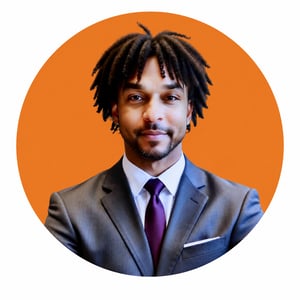
In this episode of Real Talk for Real Fundraisers, Jeff Schreifels and co-host Christopher Beck have a candid conversation with Dwayne Ashley, founder and CEO of Bridge Philanthropic Consulting, one of the largest full-service fundraising and advisory firms in the world. They explore what stewardship looks like when donors are treated as partners rather than sources of capital, including why the ask should move at the donor’s pace, why calling a donor for advice can be more meaningful than another impact report, and how gift acceptance and naming policies can quietly cost organizations major gifts.
At the heart of the conversation is a simple idea: people give to people. Donors are evaluating your leadership, your flexibility, and whether they trust the people behind the mission just as much as they’re evaluating your programs. Jeff also shares a story from earlier that morning about being on the receiving end of a permission-based ask and what it felt like to experience that approach as a donor.
This is a conversation about moving beyond transactional stewardship and creating donor experiences that actually feel personal. From designing experiences people want to attend to adapting your approach across generations, Jeff, Christopher, and Dwayne make the case that effective stewardship isn’t about following a formula. It’s about knowing the individual donor and building a relationship that works for them.
Show Highlights: In this episode, you’ll learn about…
- Why authentic stewardship is about knowing donors as people, not moving them through a tiered system
- How permission-based asking, donor advice, and honest conversations can build deeper trust and partnership
- Why gift acceptance policies, pledge practices, and organizational flexibility can either strengthen or undermine donor relationships
- How to create more meaningful, personalized donor experiences by adapting to individual interests, expectations, and generations
Veritus Group is passionate about partnering with you and your organization throughout your fundraising journey. We believe that the key to transformative fundraising is a disciplined system and structure, trusted accountability, persistence, and a bit of fun. We specialize in mid-level fundraising, major gifts, and planned giving, helping our clients to develop compelling donor offers and to focus on strategic leadership and organizational development. You can learn more about how we can partner with you at www.VeritusGroup.com.
Additional Resources:
- [Blog] Three Critical Elements of Planned Giving
- [White Paper] Building a Culture of Philanthropy
- [Podcast] Christopher Beck: Five Questions Every Non-Profit Leader Needs to Answer About Equity
Veritus Group is passionate about partnering with you and your organization throughout your fundraising journey. We believe that the key to transformative fundraising is a disciplined system and structure, trusted accountability, persistence, and a bit of fun. We specialize in mid-level fundraising, major gifts, and planned giving, helping our clients to develop compelling donor offers and to focus on strategic leadership and organizational development. You can learn more about how we can partner with you at www.VeritusGroup.com.
-
Read the Full Transcript of This Podcast Episode Here:
Jeff Schreifels: Welcome to the show. Today, of course, I have Christopher Beck with me as my co-host for this episode. We have a great subject today: equitable stewardship, which recognizes donors as partners in community change, not just sources of capital. This shifts conversations from "what we need from you" to "what can we achieve together."
And to help us discuss this with Christopher and me is Dwayne Ashley. Dwayne is a global social impact leader and the founder and CEO of Bridge Philanthropic Consulting, one of the largest full service fundraising and advisory firms in the world. As BPC celebrates more than 10 years in business, the firm has firmly established itself as a global impact powerhouse, cementing its sustainability, scale, and influence across the philanthropic sector. So let's bring Dwayne in and have some real talk. Welcome, Dwayne.
Dwayne Ashley: How are you?
Jeff Schreifels: We're great. How are you?
Dwayne Ashley: Listen, I'm still celebrating Spain's win, so you've got to forgive me. I'm still a little bit in the air about that.
Jeff Schreifels: That was awesome, wasn't it?
Christopher Beck: Man, that was a good game, guys.
Dwayne Ashley: I am eighteen percent Spaniard, so I told people I'm going for Spain. But not only that, I find the story so inspiring, given the subject we're talking about today, about the young soccer player who Messi met when he was just a baby at an orphanage. I think that is such a transformational experience, to really demonstrate, even with FIFA, how social impact and philanthropy are woven through everything we do in this world.
Christopher Beck: You bring it up, Dwayne. I was telling my family that I feel like I learned a lot from the whole World Cup piece. Definitely here in Atlanta, people really got behind it. Nationwide, actually. We went to Boston for a little bit and people up there were behind it. So philanthropy played a huge part in all of it. Super grateful for that.
So Dwayne, we're going to dive right in. We've all talked about how the landscape has changed since COVID, but it feels like we've been on that trajectory for a while, and I think COVID elevated things. So now we talk about this new dynamic of actionable stewardship. What does it look like now?
One of the things that brought me and Jeff to this topic was the number of high net worth donors right now, with the decline of the middle class, the everyday donor. I think personally, and I see it in the line of work that I do, that the high net worth donor requires a different type of stewardship. It's not your everyday donor type of stewardship. Not that it makes one better than the other, but it just requires a different take. So kick us off. What are you seeing right now?
Dwayne Ashley: Well, I'll tell you, I've always felt, through my years of experience and multiple experiences with donors, that they are my friends, number one. People can tell if you're being authentic. And I think actionable stewardship, or stewardship that works, is when you are real. We all know, and you guys have been in this business for a long time, that people give to people and not to organizations. So if you are not building an authentic relationship with your donors, they can smell it. People can see it.
My experience has been I go to lunch, I go to dinner, I'm invited to their homes, we talk about family. We talk about issues that we're all dealing with, elder care. And then we may spend just a small amount of time talking about the business of what the gift is going to be, because of that relationship.
And I find that as part of that stewardship, donors can be honest with you. When you have to make that phone call and say we're waiting on the pledge payment, we need to get it in, you definitely don't want accounting doing it, because they tend to be black and white and not do the warm and fuzzy that we're going to do as fundraisers. But I've had donors tell me, and this is part of stewardship, "I've got some family issues. I'm taking care of some family members right now. I've got some tax issues that I'm dealing with." To me, that is when you have an authentic, actionable stewardship relationship. It's not just that you make the gift, you come to the dinner, you come to the events, and we've checked the boxes to say that we've shown you that we care. It's about really building authentic relationships.
Jeff Schreifels: I love that. Historically, a lot of major gift stewardship focused heavily on donor retention and transactional thank you tiers, all these groups, premium and platinum and gold. So where does traditional major gift stewardship fall short in today's landscape, and how does equity shift the focus back toward community impact?
Dwayne Ashley: Well, first, the models have to evolve with the way the generations are evolving, because millennials and Gen Z require a different touch than Gen Xers and Baby Boomers. They're motivated for different reasons, so you have to really adjust your approach to stewarding donors, and for the most part even Gen Xers. We were the first really technology driven generation. Our parents didn't have access to cell phones and computers the way we did. So our whole thinking about stewardship and how we interact with organizations is very different. And now the new generation is even more advanced than we are.
So that has to be adjusted. People have to look at how you deal when people have so much coming at them from a technology standpoint, with social media and all the things that are out there. How do you break through in a way that is authentic? You're going to hear me use that word a lot, because I really do believe that is the key: breaking through with an authentic stewardship model.
And that is where we're failing with the old model. It was built on systems where you do this layered approach, you get this and this and this, and that's it. But it isn't bent on, okay, are we going to go to dinner and I need your advice because the organization is going through something? I think you have to be able, as part of stewardship, to tell your partners about the challenges you're facing. If they're really your partners, they want you to be successful. So you don't have to always come and present a flashy report that says, this is our impact, we did this and this and this.
I want you to call me sometimes and talk about a challenging situation, and ask if I can give you some advice. Because donors serve on multiple boards. They've been through many things. They run their businesses. They bring a lot of experience. So I really go and seek out their advice and counsel in many ways. And that is one of the ways we have to look at stewardship, that they're really your partners and they're in it with you.
That also has to do with making sure the impact and the stewardship are equitable, that you don't just look at the wealthy, successful person, but you also look at that middle manager who's dealing with middle management issues, who may be able to bring you a different lens than what the other person may bring you.
Jeff Schreifels: I often find, and tell me what you think of this, that donors want to be known. They want to know that you're listening to them. Our whole thing at Veritus has been that the role of a major gift officer, a relationship manager, is to figure out the passions and interests of that donor and relate those to specific things in your organization that they love. That's the whole thing. Bringing that together and knowing what drives them, the driver behind the passion and interest. Going back to being authentic, it's really being able to have a relationship where they can trust you enough to tell you the story behind why they have a certain passion and interest. And if you can do that, amazing things happen.
Dwayne Ashley: Absolutely. And that is the connection with sharing people's lives, that we're all human. No matter where you are in the world, what race, what religion, if you lose your mother, we all grieve and we all feel that. It doesn't matter who we are. So you've got to be able to look at that and bring that same compassion and that same understanding to everything, that they're human. They're just like you. They have insecurities. And they want to know that you're not just looking at them for a check, because people will smell that a mile away.
Christopher Beck: Dwayne, you touched on something earlier, and I'm not quoting you verbatim, but what I heard you say was the power shift. Going in, talking to the donor first, you're having dinner, you're asking about the family and the dog and all of that. In traditional models, to your point, it was a very layered approach. You go to this event, you send this letter, you do this, and it equals this. But now I would say this new landscape puts more of the control, if I can say that, in the donor's hands, because you're at the mercy of them and when they are ready. You may go there with your plan based on your timeline. Okay, I'm going to ask them for the gift this time at dinner. But then they start talking about their sick son or their dog. You cannot ask these people for a gift based off your metric, or off your plan. You can't do that. And if you do, shame on you. That's bad.
I want to add that this new model really puts more of the onus on the donor, on when they're ready. So you have to handle with care, if you will.
Dwayne Ashley: And I think also, Chris, doing your homework. Understanding, like you said, if someone is going through something, you need to do your homework to make sure. So I have a client I'm working with right now. We've been working with a major prospect who we're going to close. It's been about eighteen months, which is usually what it takes when it's a pretty big gift. The prospect is going through a very public divorce. And the timing is just not right. They've got the resources, they can do it, but we need to understand what they're dealing with. So I kept telling the client, we've got to hold off. It's just not right, right now. We need to be sensitive to what they're dealing with. And sure enough, as they've gotten through this, they've started to open up and say, okay, now I'm ready to talk about how we move this forward.
Jeff Schreifels: I've got a story that just happened to me today, actually. I was out to lunch with a major gift officer who was talking to me as a donor. And she did all the right things. We were having our small talk and I knew why we were there. But she said, we're here because we want to talk about your giving toward our nonprofit. Is it okay at this point to move forward with that discussion? And I actually said, you know what, I'm dealing with something right now on a personal level with my family that I just don't feel comfortable talking about. I can talk about some other things, but right now my head's in the wrong space for this. And she was totally fine.
What she did that was really smart was she used permission based asking on us. She asked me before we even got started, this is what we were coming here for, is this still good with you? And then I was able to make that decision and drive that conversation. A lot of times gift officers come into these conversations and they have their own thing, I've got to get the gift, and they're not listening to the donor across the table from them. It's really important that we take that step and realize the humanity that we have here.
Christopher Beck: So Jeff, let me ask you something. In real time, when she did that, how did that make you feel as a donor?
Jeff Schreifels: Totally listened to, totally respected. And she gave me the opportunity to change the conversation into a more personal one. I'm pretty open, so I could talk about what was going on with me. And I think that obviously helped her understand who I am more as well.
Dwayne Ashley: That really is what stewardship is all about. It's about friendship. It's about kinship, and looking at the fact that we have more alike than unalike as human beings. And it's also finding out, and I'm a big believer in Maslow's hierarchy of needs, that you get food, water, shelter, and then people always get to that level where they have a need to give. It's understanding the psychology of where people are and how you tap into that at the right time, but it needs to be done in a very authentic way.
Christopher Beck: I love that. So Dwayne, I want to ask you another question. Can you share one specific policy or practice, restricted versus unrestricted funding, naming policy, or advisory board, that nonprofits must dismantle to balance this power?
Dwayne Ashley: So a policy that they need to dismantle to address this power issue. Is that what your question is? Just to make sure I'm clear.
Christopher Beck: Yes, sir.
Dwayne Ashley: Okay. One thing I think organizations should do, and I always do this with my clients, is make sure they are looking at their gift agreement and gift accountability policies, and updating them to the times we live in now. Because you can't just make a blanket statement and say we're going to put a 10 year limit on all naming opportunities, because that may not work for everyone.
I've seen organizations where they have now, with naming opportunities, since what happened at Lincoln Center where they bought back the name. We went through a similar situation at Jazz at Lincoln Center with a room that was renamed the Appel Room, where the donor, we didn't buy it, he just gave it back and said, as long as you get a gift bigger than mine, I don't mind you renaming it. So those kinds of policies have to be updated and they have to be flexible so that the organization can work with the donor.
I'm dealing with a situation now with a particular donor. He will only give gifts in perpetuity for naming. The organization wants the gift. They want it from this particular donor. So you've got to be flexible. They wanted to put a 20 year limit on it for the amount, but they've got to be flexible. He wants it in perpetuity, and that's it. That's the donor's decision. So either you are going to be flexible and work with them, or you find another donor. That's one policy I think organizations have to be extremely flexible with, around naming opportunities.
The other one you have to be very careful about, and this is why it's so important that development and finance work together, is being sensitive about pledge payments and understanding where donors may be dealing with different situations. I shared with you earlier that in my own career I worked with a donor who was actually a mentor to me, and that happened through the relationship, but he shared with me, I've got some tax issues, so I'm going to pay it, but I've got some tax issues. So I had to communicate that to the finance department, to help them understand that we cannot just go and take the hammer and try to make the person pay. Because even though you may have a pledge agreement, it's a gift. They didn't get a product for it. It was a gift. So we need to be sensitive to those kinds of things.
And so gift acceptance policies need to be reviewed annually. They need to be brought up to speed to the marketplace we live in today. They need to address crypto. Are you going to accept crypto gifts? And what are the restrictions on that? Most people don't even have a policy around accepting cryptocurrency gifts. And the liquidation of property gifts and stock, all those kinds of things need to be updated and relevant to today's marketplace.
What are donors feeling in today's marketplace if they give you the family property? Maybe because they're an alumnus and it's close to the campus, they don't want you to sell it. They want it to become integrated into the university community. So you've got to be flexible with those kinds of things in terms of your gift acceptance policy. That is one of the areas I would say most organizations are struggling with.
Jeff Schreifels: Good stuff. Let's talk about trust based philanthropy. It's often discussed in the context of foundations, but how do we apply trust based practices to individuals of high net worth without losing their engagement? What have you noticed there, Dwayne?
Dwayne Ashley: Again, I go back to organizations really understanding the donor and being transparent with the donor about the organization, your vision and your challenges, because that trust is them investing in the leadership to address those challenges.
And the most important thing I've seen with trust based philanthropy is that people are betting on the leader. I just had this conversation with one of my mentees today who's dealing with a situation, and I was sharing that it's the leadership they're really questioning. I don't think the leader was the most engaging person. The leader had a very standoffish personality, wasn't always the most charismatic and friendly person at events. And so the donors didn't feel comfortable. The campaign is not being successful, and it is because of the leadership.
So as part of this, I was working with this mentee and I said, I will participate in a conversation with you, with one of the prospects if you'd like, just as an independent observer, to help you through this. And I asked the prospect, why do you think people are not willing to invest in the organization? And they said to me candidly that they felt there was a leadership issue. You could really see it when you saw the organization, that there was a challenge.
And it does not always mean, when you have a situation like that, that the person needs to go. It may mean you need to bring someone else in who can be more of the public face of the organization, who brings those kinds of qualities, especially if it's a founder of an organization. You can bring someone in who possesses those qualities and who can really develop that kind of relationship with the donors. Because at the end of the day, when it comes to trust based philanthropy, if they don't trust the leadership, you can bet they're not going to make the investment.
Christopher Beck: You bring up a really good point. I've talked to some of my mentees as well in the last few weeks. They were talking about some of their leaders not wanting to go out with them. And I think you just nailed it. Especially at the major, principal and transformational gift level, donors want to see that leader who's there. Keep in mind, these are business people who are very smart, very savvy folks. And again, like Jeff today, they want to be brought in. They want to feel like they have some say in it. So if you have a leader who's not wanting to go out on visits, or not wanting to be warm and fuzzy, you might be in the wrong spot. I'm just saying.
Dwayne Ashley: Right. And finding a way, in terms of maximizing the organization's success, to bring in someone that can be that person. I think about Larry Ellison, because he has always said, from a business standpoint, and if you follow any of his philanthropy, he invests in leaders. I've often followed a lot of the work he's been doing, just from a business standpoint, but also from what I'm seeing with his philanthropy now.
So it is about the leadership of the organization. Can they accomplish the goals? Can I trust them, if I'm going to make this level of investment, that they're going to be able to take this and scale it and run the business? And are they going to be able to surround themselves with people where they may not have the strengths, to help them be successful? So you can bet that they're studying the leadership of the organization.
Christopher Beck: One hundred percent. So Dwayne, this next question is going to be a little ouchy for us. I want to preface it for all of my event people. This is no shade to any event people. Actionable stewardship. Major donors today want to be more than just a check. They want to be involved, so they don't really have time for events. What would be your take on that? What would be another way to work with a donor, again, major gift, transformational, principal level person, who says, I want to be involved, I don't have time for events?
Dwayne Ashley: Great question. I'm glad you said this. I don't think it's that they don't have time for events. I think they don't want to go to boring galas anymore. I mean, come on. People don't want to go to all these galas and sit down and hear a bunch of people speaking. They want to have an experience.
So what today's philanthropic environment is calling for is for you to create experiences that are fun, that people can come to, have a good time, have some good drinks, some good food, and they've had a great experience. And it doesn't need to be a sit down dinner.
One of the things I did years ago, when I was at the Thurgood Marshall Fund, we created an event in Philadelphia and it was called the Sports Ball. So many people have replicated this since then, but I've got to say, we were the first. I worked with Julius Erving, and we got Nike to donate sneakers to everybody who came. So you had to submit your shoe sizes in advance. We had boxing. There was an actual boxing ring in the event. There was a basketball court. The whole experience was about moving through the event, having a great sports experience. And you weren't sitting down at these tables having to hear speeches. We did do an honoree, and it was done in a way where it was engaging, and it took no more than five minutes. And it was one honoree.
That's what we've got to do, look at how we create things that are fun. People want to have fun. They want to go to great experiences. So I would say this to all the events people, and I talk to a lot of them who are always trying to come up with things: a cocktail hour with supper works just as well as a sit down gala. You can do what they call a strolling supper, which many people are doing these days, where you don't have to sit down and have dinner, but it's heavy hors d'oeuvres and you move about the event. Because people don't want to sit down. They want to move, and that's where the energy comes from.
Jeff Schreifels: I think another way of saying that, besides the fun aspect, is if you provide value to the donor, they're going to want to engage with you. And you're right, a lot of these events are not actually providing any value. So those donors don't want to be a part of that.
We often talk to gift officers who are trying to reach out to donors, and they're sending them things in the mail, they're sending them emails, there's all this stuff, and no one's ever getting back to them. And they're wondering why. It's because they're not giving them any value. So if they're not coming to your events, they're not answering your emails and all of that, you have to step back and say, what value are we giving our donors? Because if they felt like they were getting value, they'd pick up the phone and answer your call. They'd respond to your text message.
Dwayne Ashley: Right. And then what are the connections you're seeing with the value? Are you really analyzing the marketplace? I pride myself on this. Every day I literally go onto ChatGPT and Claude and I say, tell me what's trending, what is happening in the world today? I want to know what the latest is. And if I'm going to post, I'm going to post about what's happening in the world and tie it to the work that we do, because I need to make sure that we're staying relevant.
I think people just come in and do these old models and it's par for the course, do it the way it's always been done. But you've got to make sure that you are keeping up with what's happening with the trends, and that your marketing and your approach are aligned with that. Otherwise you're going to be left behind, because people are looking for something different now.
Christopher Beck: You bring up a really good point. I'm pretty sure we've all heard of the book Neurogiving by our friend Cherian. Listen, I have changed all of my writing style around the neuro principle. And I will tell you guys, my open rate on my email, and I'm not boasting here, has gone up. Over sixty percent of my emails are being opened right now. Super excited about that.
I'm connecting with them in a very different way. Again, these are very smart people. They know what you're calling or reaching out to them about. So in my emails, I'm connecting with their mind and their heart, but telling them up front, I want to hear about you. I want to hear what's going on, what are you thinking philanthropically? And of course I tie it to my organization and all the things. And that seems to be working. I'm getting responses back, having very meaningful conversations. And they can respect that. So for me, I am always looking for the no. If I don't get a no the first time, or a "hey, don't call me back," I think I'm on the right track.
Jeff Schreifels: I think it goes back to what Dwayne said at the very beginning, being authentic and being real. You're being real with your donors. You're reaching out to them in a way that they can hear it. And that's why you're getting a much better response.
I want us to leave our folks with some actionable advice from you, Dwayne. If a frontline fundraiser is listening right now and wants to shift toward more equitable stewardship starting tomorrow, what's one small practice they can stop doing and one practice they can start doing?
Dwayne Ashley: I think don't make judgments on people, and really understand that we're all different. We all have different expectations and we all have different approaches that need to be made. It needs to be bespoke to that person. One size doesn't fit all.
It was very interesting that you asked that question, Jeff, because I just worked with a client through a recruitment process for a new CDO. The candidate was outstanding. I knew it from the very beginning, and I participated in the interviews, and I said, this is your north star, I'm telling you, she's the person. The committee comes in and meets her, and because I think her hair was blue or something like that, she's very artsy. But if I tell you, I know fundraisers, and she knows her stuff. She was really good. And because it's a different generation, I think they did not understand that that doesn't matter. What matters is she's a good person. She knows what she's doing. She's personable. She's charismatic.
So you can't judge someone because, and you talk about equity, they don't fit the model that we think they should fit. That's what I would say. One size doesn't fit all.
Christopher Beck: So Dwayne, as we wind down here, I want to ask you something too. This is for all the fundraisers, everybody on this call, and everybody who will hopefully listen to this podcast. Looking ahead at the future of major giving and transformational gifts, what's going to separate those who are going to thrive from those who just survive?
Dwayne Ashley: One, you've got to be passionate about this. You've got to love it. Because if you love it, you are going to be thinking about it all the time. Everything you're looking at and watching, you will somehow find a way to bring it back around to it, because you love it so much and you find the connections.
You've also got to be gutsy. You've got to be willing to take risks. You can't worry about what people think about you if you're good at what you do. You just have to do your job, do it well, be an ethical person. If you have morals and ethics and you bring your good judgment with you, don't be afraid to take a risk. Don't worry about what people are going to say. Be your own person, be your own unique, authentic self. And when you bring that to the table, that's what's going to make the difference in people who are able to rise above and get to the next level.
And you've got to be a person who is researching and understanding ultra high net worth donors. I'm always reading. I'm researching. I'm always looking to see, what's happening? What are they up to? What are they doing? What do they like? And how do we make sure that we're advising our clients on how to approach them the right way, and how to do it in a way that builds trust, that lets them know that you're authentic, and at the same time lets them know that you really like them as a person, and it's just not fake.
Jeff Schreifels: I think that's great. A lot of people are going to want to reach out to you, Dwayne. How do they do that? Tell us about what you're doing. How easy is it to get a hold of you? I know you're busy.
Dwayne Ashley: Well, I'm on all the social media platforms. We're pretty active on social media, but you can certainly reach me through LinkedIn. It's Dwayne Ashley on LinkedIn, or you can visit our website, Bridge Philanthropic Consulting. But I'm extremely active on Instagram, Facebook, Threads, all of them. We post every day, sometimes multiple times a day. So you can certainly reach me on social media.
Jeff Schreifels: Awesome. Well, thank you so much for being on today. You've given us a lot of great things to think about, and I really appreciate your authenticity with us.
Dwayne Ashley: Thank you. And Jeff and Chris, I'd say one last thing that I think is really important. I'm a huge fan of Angela Duckworth and her book Grit. I think grit is the other thing, Chris, going back to your question about what's going to make the difference. Folks who are going to make it have got to have grit. You've got to be able to maneuver through the ups and downs, the rejections, or when people say no, not right now, and not take it personally, not let it make you feel like you're a failure. You've got to understand you may have some bad bosses, and it's okay to navigate out of a situation that doesn't work for you.
But more than anything, it's just being passionate about this. If you love it, you love it. And I tell people, I love fundraising. I just love this work. I love everything about it. It wakes me up every day, and I'm excited to do it every day and excited to work with our clients. I think that's what we need from our leaders for the future.
Jeff Schreifels: Very well said. Well, thank you so much, and to everyone listening, have a great day and we'll see you next time.
Christopher Beck: Sounds good. Thanks, guys.
Dwayne Ashley: Absolutely. Take care, everyone.