Why Your Donor Experience Depends on Internal Collaboration
Donor experience suffers when fundraising teams operate in silos—break them down to build trust, collaboration, and lasting donor relationships.
3 min read

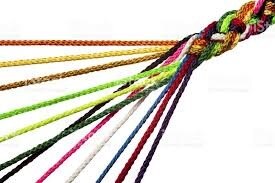 The other day I was talking to an executive director of a regional, well-established non-profit. She was lamenting that her organization was steeped in very strict silos, and the situation made it difficult for development to be effective.
I was confused by this because here I was, talking to the head of the non-profit, and even she can’t bring these departments together? “No,” she said, “I’ve been at it for almost five years. This is a 60-year-old non-profit, and these people are really stuck in their ways.”Usually, when I have this conversation (and Richard and I have had numerous ones) it’s with a development director or major gift officer who is complaining about leadership for not doing something about “the silo problem” at their non-profit.
But here I was, having the same conversation with the ED! So I said to her, “have you ever considered using your major gift program to bring your organization together?” There was a long pause on the phone. “How do you do that?” she said.
This is where I went into a long explanation of how Veritus works with major gift teams to help them come up with dynamic offers with real numbers, effective donor presentations, and taking donors to the scene of the need.
In order for major gifts to be effective and for major gift officers to do their work effectively, everyone in the organization has to be involved. This is not a job JUST for an MGO or the development team. Finance, HR, Program and leadership have to be engaged.
So this is how I told the ED she could bring down her silos and allow her departments to come together:
If you are a leader, development director or a major gift officer, you can use your major gift program as a catalyst for change… one that can bring together every department in a way no other department can. The reason for this is that the major gift team is the closest to the donor. You have real relationships with them.
After my conversation with the executive director, she was pumped! She’s implementing this exact plan for her organization. In a few months, I’ll let you know how it’s going.
Jeff

Donor experience suffers when fundraising teams operate in silos—break them down to build trust, collaboration, and lasting donor relationships.

Learn how to embrace change and develop a mindset of adaptability to foster personal growth and create a dynamic culture within your organization.

Learn the importance of expressing gratitude to donors daily and how it can enhance donor relationships and improve fundraising success.