No Trust, No Relationship, No Money: On Self-Trust (Part 1 of 4) - Veritus Group
Before you can begin building trust with donors, you need to have confidence in your own integrity and intent.

Not long ago, I was talking with a group of board members after a meeting. The conversation started light—family, sports, business. But it didn’t stay there. One of them leaned in and said, “I don’t know how to say this exactly, but it feels like we’ve got a leadership problem.”
The room got quiet. What followed was a difficult, honest conversation about why the organization was stalling—and the consensus was clear: it all pointed back to leadership.
When something in a non-profit isn’t working—when teams are misaligned, donors are pulling away, or programs feel stuck—it’s often a reflection of leadership. And not just any leadership, but the quality of that leadership.
At Veritus, we’ve spent years working with non-profit leaders at every level, and I’ve seen firsthand what makes someone truly effective.
So what separates great leaders from the rest? These are the qualities I keep coming back to:
There are probably more traits we could add to this list, and I’d love to hear what you’d include. But if there’s one thing I hope you take away, it’s this: the quality of leadership in your non-profit matters. It shapes the culture, the donor experience, the team’s health, and ultimately, the mission’s success.
If you’re in a leadership role or hoping to grow into one, take this to heart. These are more than checkboxes. They’re a blueprint for what it means to lead well in a world that desperately needs it.
Jeff

Before you can begin building trust with donors, you need to have confidence in your own integrity and intent.

As a non-profit leader here’s what you need to understand about what makes a successful major gift program, and what you can do to support it
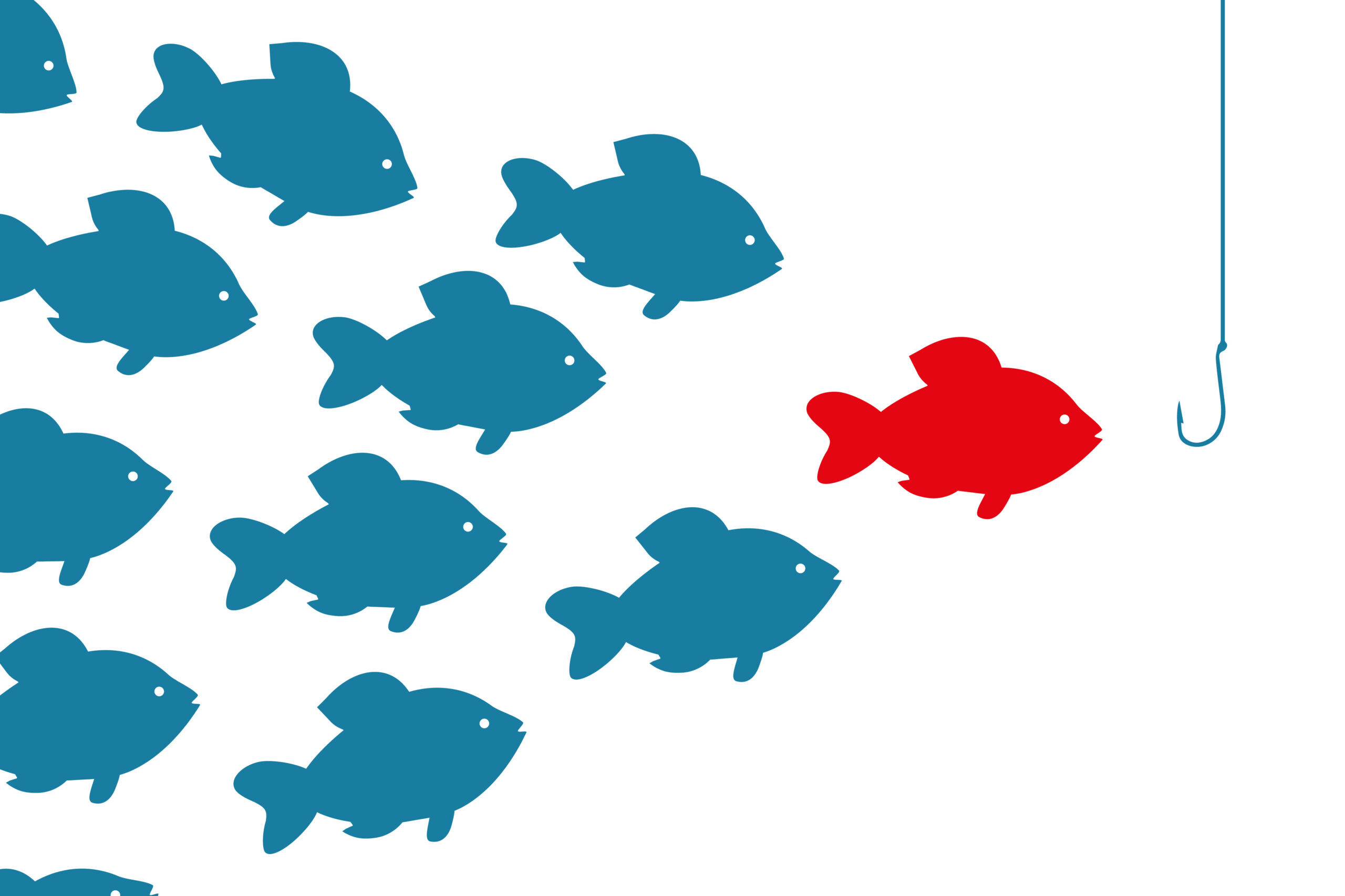
Identifying signs of an untrustworthy non-profit and steps to build trust within the organization and with donors.